
 English
 Español
Qué limpiador a vapor necesita y por qué
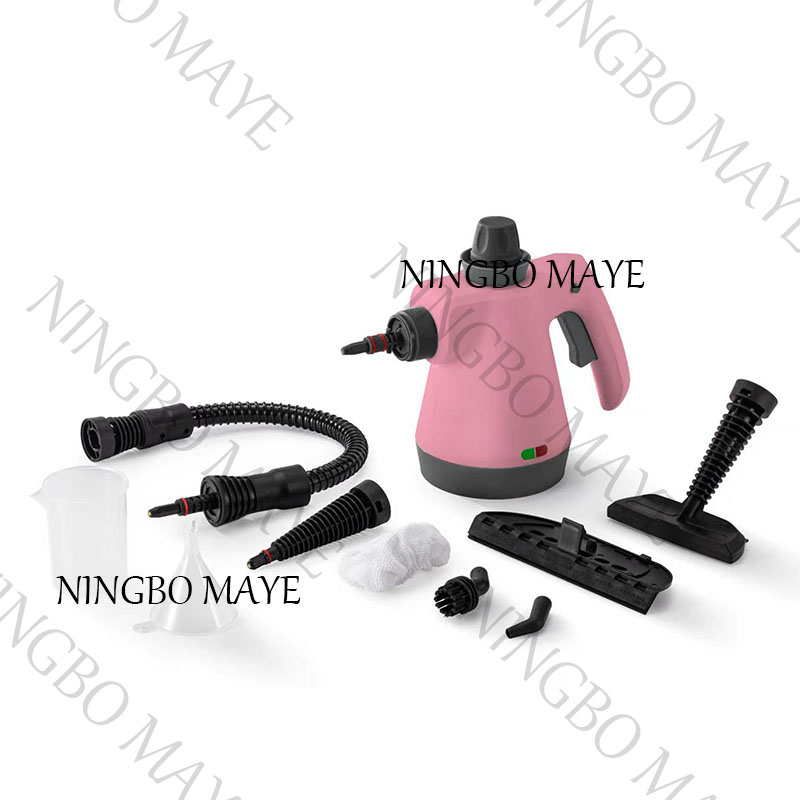
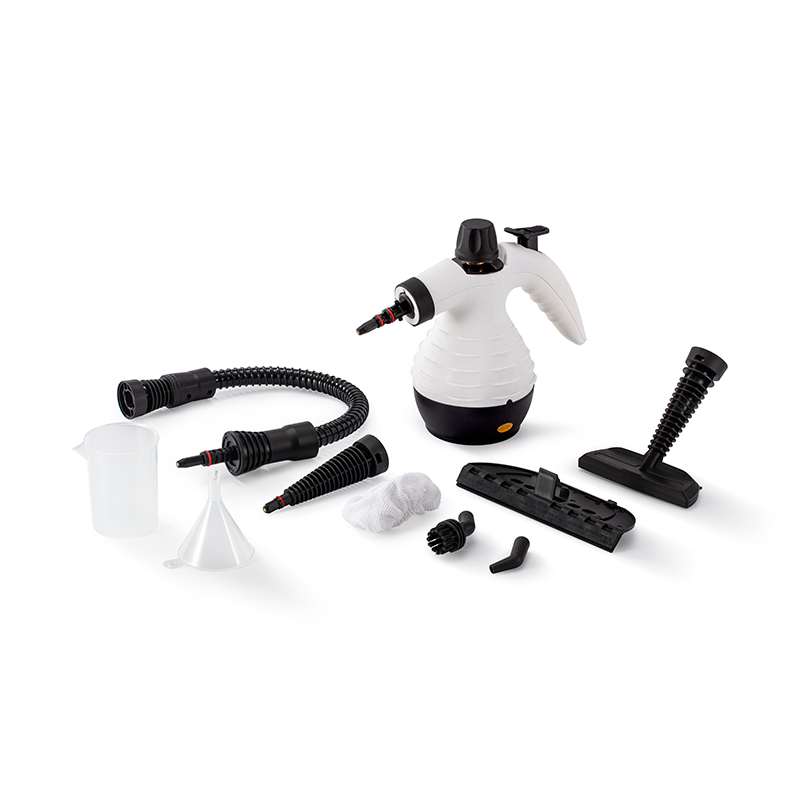
Un vaporizador de mano para limpieza es la herramienta de limpieza a vapor diaria más versátil para la mayoría de los hogares. , porque se calienta en 20 a 45 segundos, pesa menos de 1,5 kg y maneja lechada de baño, electrodomésticos de cocina, tapicería, interiores de automóviles y docenas de otras superficies sin tiempo de preparación. Si solo compra un producto de vapor, un vaporizador manual de calidad para limpieza con un kit de accesorios completo es el punto de partida de mayor valor.
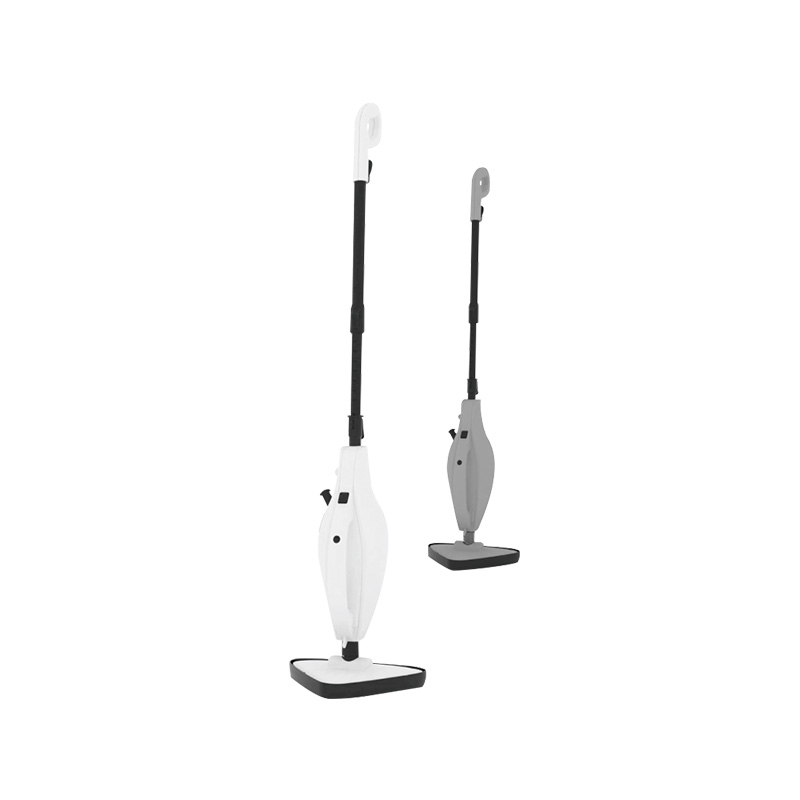
Para los usuarios que desean limpiar todas las superficies en una sola sesión sin recargar cada 15 minutos, el limpiador a vapor All In One Hot Sale (un limpiador a vapor cilíndrico con un tanque grande, base rodante y un completo juego de accesorios) elimina la limitación de unidades portátiles pequeñas y cubre pisos, paredes, tapizados y electrodomésticos en una sesión de vapor continua de 45 a 60 minutos. La categoría de limpiador a vapor todo en uno de gran oferta representa el mejor valor para la limpieza a vapor de todo el hogar porque combina todas las funciones de vapor en una sola unidad.
Específicamente para la limpieza a vapor del baño, tanto el vaporizador manual para limpieza como la varilla de un cilindro funcionan igual de bien. La computadora de mano gana en comodidad y velocidad de configuración; la varilla cilíndrica gana en capacidad del tanque para sesiones prolongadas de limpieza profunda del baño. Para la limpieza de alfombras con vapor, un limpiador a vapor específico para alfombras de automóviles (compacto y maniobrable) o el accesorio deslizante para alfombras adecuado en una unidad cilíndrica dan mejores resultados que un trapeador a vapor estándar.
Vaporizador de mano para limpieza: por qué es la herramienta de vapor diaria más práctica
El vaporizador manual para limpieza se ha convertido en la categoría de productos de limpieza a vapor de más rápido crecimiento precisamente porque elimina las dos barreras más importantes para el uso diario del vapor: el tiempo de preparación y el espacio de almacenamiento. Un limpiador a vapor todo en uno de gran oferta con cilindro de tamaño completo tarda de 4 a 8 minutos en calentarse y requiere un almacenamiento exclusivo. Un vaporizador de mano para limpieza sale del armario, se calienta y limpia en 45 segundos, que es el umbral por debajo del cual se utiliza una herramienta de limpieza a diario en lugar de semanalmente.
Lo que puede hacer un vaporizador de mano para limpieza que las botellas de spray no pueden hacer
Los limpiadores en aerosol convencionales depositan líquido en la superficie y dependen de agentes químicos para disolver la suciedad, luego requieren limpieza y enjuague frecuente para eliminar los residuos químicos. Un vaporizador manual para limpieza funciona entre 120 y 160 grados Celsius en la boquilla, lo que:
- Mata bacterias y ácaros del polvo al contacto. sin ningún residuo químico, lo cual es médicamente importante para hogares con bebés, personas alérgicas o personas inmunodeprimidas
- Penetra en estructuras de superficies porosas, incluidas lechadas, juntas de azulejos y fibras de tela, donde los productos químicos en aerosol solo entran en contacto con la superficie visible.
- Disuelve la grasa adherida, la cal y los restos de jabón en segundos mediante ablandamiento térmico en lugar de grabado químico, que es más seguro para muchos acabados de superficies.
- No deja residuos de agentes de limpieza en superficies en contacto con alimentos, juguetes o artículos para bebés.
Elegir un vaporizador de mano para la limpieza: especificaciones clave
| Especificación | Mínimo Aceptable | Recomendado | Por qué es importante |
|---|---|---|---|
| tiempo de calentamiento | Menos de 60 segundos | 20 a 45 segundos | Determina la frecuencia con la que realmente lo usas. |
| Capacidad del tanque | 150ml | 200 a 350ml | Un tanque más grande significa menos interrupciones de recarga |
| Presión de funcionamiento | 2,0 barras | 3,0 a 4,5 bares | Mayor presión = vapor más caliente y seco = mejor limpieza |
| Peso | Menos de 2,0 kg | 0,8 a 1,3 kilogramos | Las unidades más ligeras previenen la fatiga durante sesiones prolongadas |
| Recuento de archivos adjuntos | 3 accesorios | 6 a 10 accesorios | Más accesorios = más superficies que puedes limpiar |
Las mejores superficies para limpiar con un vaporizador de mano
- Azulejos de baño, lechadas, cabezales de ducha, grifos y exteriores de inodoros.
- Placas de cocina, vidrios de puertas de hornos, interiores de microondas y sellos de refrigeradores
- Telas para sofás, colchones, cojines y cortinas para reducir los ácaros del polvo
- Tela de los asientos del automóvil, paneles de las puertas, grietas del tablero y manchas en la alfombra del maletero
- Juguetes para niños, tronas y artículos para bebés que requieren desinfección sin químicos
- Ventanas, espejos y superficies de electrodomésticos de acero inoxidable con el accesorio de escobilla de goma
Limpiador a vapor para baños: la habitación más impactante para la limpieza a vapor
El baño es donde un baño. limpiador a vapor ofrece la mejora más espectacular con respecto a los métodos de limpieza convencionales, porque combina cuatro de los tipos de suciedad más sensibles al vapor: espuma de jabón en azulejos y vidrio, cal en accesorios, moho y hongos en la lechada y bacterias en superficies de alto contacto. Un limpiador a vapor para baño aborda los cuatro simultáneamente y lo hace de manera más exhaustiva que la limpieza química en aerosol porque el vapor a alta presión penetra debajo de la superficie visible para alcanzar la contaminación incrustada en los poros de la lechada.
Por qué el vapor supera a los limpiadores en aerosol en los baños
Una investigación de la Universidad de California Davis encontró que la limpieza con vapor elimina el 99,9% de las bacterias domésticas comunes, incluidas Staph aureus y E. coli, en superficies de baldosas y lechadas. , en comparación con la eliminación del 80% al 90% con los aerosoles desinfectantes de superficies convencionales. La razón es simple: el vapor a una temperatura de 130 a 150 grados Celsius destruye físicamente las membranas celulares de las bacterias y las esporas de hongos en toda la profundidad de la lechada, mientras que los aerosoles superficiales matan solo lo que el líquido entra en contacto, dejando vivas las bacterias en los niveles inferiores de la lechada porosa para recolonizarse en cuestión de días.
Sesión completa de limpieza a vapor para baño: secuencia habitación por habitación
- Primero el cabezal de ducha: Aplique la boquilla de chorro de su limpiador a vapor para baño directamente en cada orificio del cabezal de ducha durante 2 a 3 segundos cada uno. Los depósitos de cal dentro de los agujeros reducen el caudal y albergan bacterias. El vapor penetra y afloja ambos problemas simultáneamente, y el lavado con agua después del vapor limpia el material aflojado sin desincrustantes químicos.
- Líneas de lechada para azulejos: Coloque la boquilla de chorro angosto y muévala lentamente a lo largo de cada línea de lechada a aproximadamente 2 cm por segundo, sosteniendo la boquilla a 1 o 2 cm de la superficie. Continúe inmediatamente con el cepillo pequeño para fregar mientras la lechada aún esté caliente y la contaminación se haya aflojado. Limpiar con un paño de microfibra. Para lechada negra muy teñida, dos pasadas lentas antes del cepillado producen resultados significativamente mejores que una pasada rápida.
- Superficies de azulejos: Utilice la almohadilla rectangular o el cepillo redondo para vaporizar toda la superficie de la losa en pasadas superpuestas, limpiando con un paño de microfibra inmediatamente después de cada sección de 30 a 40 cm para recoger la espuma de jabón suelta y la película mineral antes de que se vuelva a secar en la superficie.
- Mampara de ducha o puerta de cristal: Vaporice toda la superficie del vidrio con la boquilla de chorro en pasadas de barrido horizontales de arriba a abajo, luego escurra inmediatamente con el accesorio escurridor de vidrio o use un paño de microfibra en un movimiento de arriba a abajo para evitar rayas.
- Grifería y accesorios: Aplique la boquilla de chorro cerca de la base del grifo y del área donde el grifo se une con la superficie del azulejo o del lavabo, donde la cal se acumula en las grietas a las que no se puede llegar con un paño. El vapor presurizado penetra y suaviza las incrustaciones para facilitar su eliminación con un paño.
- Exterior y base del inodoro: La boquilla de chorro limpia la unión entre la base del inodoro y el piso, la superficie externa de la cisterna, el mecanismo de descarga y el asiento sin necesidad de fregar estas superficies con las manos.
- Suelo del baño: Si el limpiador a vapor del baño incluye un accesorio para pisos, termine vaporizando las baldosas y la lechada para lograr el saneamiento del baño más completo posible en una sola sesión de herramienta.
Con qué frecuencia utilizar un limpiador a vapor para el baño
Sesiones semanales de limpieza a vapor del baño de 10 a 15 minutos para el área de la ducha, los vidrios y los accesorios mantienen el baño en unas condiciones en las que cada sesión es rápida y sencilla. Sin un mantenimiento regular, los restos de jabón y el moho incrustados que se acumulan durante 3 a 4 semanas requieren de 30 a 45 minutos de tratamiento intensivo con vapor para eliminarlos por completo. El rendimiento de una rutina semanal de limpieza a vapor del baño es exponencialmente mejor que una limpieza profunda mensual, tanto en el esfuerzo requerido como en el estándar higiénico mantenido entre sesiones.
Instrucciones para el limpiador a vapor Shark: configuración, operación y mantenimiento
Shark es una de las marcas de limpiadores a vapor más vendidas en Norteamérica y Europa, con líneas de productos que abarcan trapeadores a vapor, vaporizadores manuales y unidades combinadas de vapor y aspiradora. Las instrucciones para los productos limpiadores a vapor Shark comparten una secuencia operativa común en toda la gama de productos, aunque los detalles específicos varían según los modelos. Las siguientes instrucciones para el limpiador a vapor Shark se aplican a la mayoría de los modelos de trapeador a vapor y de mano Shark.
Instrucciones de configuración para el limpiador a vapor Shark (primer uso)
- Retire todo el embalaje y verifique el contenido con la lista de piezas incluidas. Los limpiadores a vapor Shark generalmente incluyen la unidad principal, el cabezal del trapeador (para los modelos de trapeador), almohadillas de microfibra para piso (generalmente 2), boquilla de chorro, accesorio de cepillo y manguera o varilla de extensión. Confirme que todos los accesorios estén presentes antes del primer uso.
- Llene el tanque de agua antes del primer uso. Retire el tanque de agua o la tapa de llenado (las unidades de trapeador a vapor Shark generalmente tienen un tanque de agua extraíble al que se accede desde el mango; las unidades portátiles tienen una abertura de llenado en la parte trasera). Llénelo con agua destilada o filtrada hasta la marca de la línea MAX. No llene demasiado más allá de la marca MAX , ya que el sobrellenado hace que entren gotas de agua en la salida de vapor y produce un vapor húmedo y mal presurizado que deja las superficies húmedas en lugar de limpiarlas eficazmente.
- Conecte el accesorio de limpieza deseado antes de enchufarlo. Para limpiar el piso, coloque el cabezal del trapeador y una almohadilla de microfibra limpia antes de encenderlo. Para una limpieza específica, coloque la boquilla de chorro, el cepillo u otro accesorio. Conectar accesorios mientras la unidad está caliente y presurizada crea un riesgo de quemaduras por vapor.
- Conéctelo a un tomacorriente con conexión a tierra y seleccione la configuración de vapor si está disponible. Los trapeadores a vapor Shark con configuraciones de vapor variables (generalmente Bajo-Medio-Alto o un control deslizante variable) deben configurarse en Alto para la limpieza inicial de superficies muy sucias, con Medio o Bajo reservado para pisos delicados y mantenimiento ligero.
- Espere el indicador listo. Los modelos de trapeador a vapor Shark generalmente muestran una luz que cambia de rojo a verde (aproximadamente 30 segundos de tiempo de calentamiento) cuando la presión del vapor está lista. No comience a limpiar antes de la señal de listo, ya que el vapor pre-listo carece de la presión y temperatura adecuadas para una limpieza efectiva.
Instrucciones de funcionamiento del limpiador a vapor Shark durante el uso
- Mantenga siempre la unidad en movimiento sobre pisos: Mantener un trapeador a vapor Shark estacionario sobre cualquier superficie del piso, especialmente madera dura o laminado, concentra la humedad en un punto y puede causar daños a la superficie. Mantenga el cabezal del trapeador en movimiento en todo momento durante la aplicación de vapor.
- Dirija la primera ráfaga de vapor lejos de la superficie de limpieza: La primera vez que se presiona el gatillo después del calentamiento, se liberan gotas de agua condensada de la boquilla fría. Dirija esta primera ráfaga lejos de la superficie que se está limpiando para evitar manchas de agua en el vidrio limpio o manchas en telas delicadas.
- Cambie las almohadillas de microfibra cuando estén visiblemente sucias: Una plataforma cargada redistribuye el suelo por la superficie en lugar de recolectarlo. La mayoría de las unidades de trapeador a vapor Shark tienen capacidad para dos almohadillas, por lo que siempre hay un reemplazo limpio disponible durante una sesión de limpieza.
- Nunca utilice productos químicos de limpieza en el tanque de agua: Las instrucciones de Shark para los modelos de limpiadores a vapor Shark especifican universalmente únicamente agua destilada o del grifo. Agregar agentes de limpieza, aceites esenciales o vinagre al tanque daña los sellos internos y anula la garantía.
Instrucciones de mantenimiento para el limpiador a vapor Shark
- Vacíe el tanque de agua después de cada uso. para evitar que se quede agua estancada en la caldera entre sesiones, lo que provoca el crecimiento bacteriano y acelera la formación de incrustaciones.
- Descalcificar cada 4 a 6 semanas si usa agua del grifo: llénelo con una solución de agua destilada y vinagre blanco al 50/50, déjelo funcionar durante 2 a 3 minutos y luego enjuague dos veces con agua destilada limpia antes de volver a ponerlo en servicio.
- Almohadillas de microfibra para lavar a máquina. a 60 grados centígrados después de cada sesión sin suavizante, lo que reduce la absorbencia de la microfibra
- Limpie los orificios de las boquillas bloqueados con un alfiler enderezado o un palillo de dientes si la salida de vapor se debilita desde una posición específica de la boquilla
Cómo limpiar alfombras con vapor: técnica completa para alfombras de hogar y automóvil
Comprender cómo limpiar alfombras con vapor correctamente previene los dos errores más comunes que causan fallas en la limpieza de alfombras con vapor: mojar demasiado el pelo de la alfombra (lo que provoca el crecimiento de moho en el respaldo dentro de 24 a 48 horas) y usar el accesorio incorrecto (que no logra penetrar el pelo o empuja los contaminantes más profundamente). La técnica para limpiar alfombras con vapor difiere de la limpieza con vapor de pisos duros en todos los aspectos, incluida la selección de herramientas, la distancia, la velocidad de movimiento y el protocolo de secado.
Qué limpiador a vapor funciona para alfombras: la herramienta adecuada es importante
Un trapeador a vapor estándar no es la herramienta adecuada para limpiar alfombras con vapor. Las almohadillas para trapeador a vapor están diseñadas para entrar en contacto con superficies planas y duras y no distribuyen eficazmente el vapor a través de la alfombra. Los accesorios correctos para limpiar alfombras con vapor son:
- Boquilla para tapicería y telas: Un difusor ancho y de baja velocidad que distribuye el vapor en un área más amplia sin concentrarlo en un solo punto que mojaría demasiado la alfombra en ese lugar. Disponible en la mayoría de los vaporizadores portátiles para unidades de limpieza y en todos los sistemas de limpiadores a vapor All In One Hot Sale.
- Accesorio para deslizador de alfombras: Un cabezal plano especializado con orificios de distribución de vapor en su base y una suela de polímero suave que se desliza sobre el pelo de la alfombra, disponible en algunos sistemas de limpiadores a vapor All In One Hot Sale. Esto distribuye el vapor de manera uniforme sobre la superficie de la alfombra, mientras que el movimiento del planeador evita la humectación excesiva localizada.
- Accesorio de cepillo redondo: Para el tratamiento localizado de áreas manchadas, el cepillo redondo agita suavemente el pelo de la alfombra mientras suministra vapor, lo que ayuda a levantar la suciedad incrustada en la superficie para que sea absorbida por el siguiente paño de microfibra.
Paso a paso: cómo limpiar una alfombra con vapor
- Aspire bien la alfombra antes de vaporizarla. La limpieza con vapor no sustituye a la aspiradora. La suciedad, el pelo y los residuos sueltos que no se eliminan con la aspiradora se redistribuirán como barro húmedo por el vapor, lo que hará que la alfombra sea más difícil de limpiar después del vapor que antes. Aspire en dos direcciones (a lo largo y a lo ancho de la pila) para eliminar al máximo la tierra suelta antes de comenzar el tratamiento con vapor.
- Trate previamente las manchas visibles con un detergente suave o un limpiador enzimático. Se aplica de 5 a 10 minutos antes de cocinar al vapor. El vapor ayudará a activar e impulsar el pretratamiento hacia la mancha, mejorando la eliminación de la mancha en comparación con el vapor solo. Para las manchas orgánicas (comida, accidentes con mascotas, sangre), un pretratamiento con limpiador enzimático es especialmente eficaz seguido de vapor.
- Conecte la boquilla para tela o el deslizador de alfombras al vaporizador. y asegúrese de que la salida de vapor esté configurada en media en lugar de máxima. El vapor de alto rendimiento en la superficie de la alfombra agrega más humedad de la necesaria para la limpieza y extiende el tiempo de secado más allá de las 2 a 4 horas necesarias para que la alfombra vuelva a usarse de manera segura.
- Sostenga la boquilla de 3 a 5 cm por encima de la superficie de la alfombra. , no en contacto con él. El espacio permite que el vapor se expanda ligeramente y se distribuya de manera más uniforme a lo largo de la pila en lugar de concentrar toda la energía del vapor en el punto de contacto de la boquilla, lo que mojaría demasiado un área pequeña y no trataría adecuadamente las áreas circundantes.
- Mueva la boquilla lenta y continuamente en pasadas paralelas superpuestas a aproximadamente 2 a 3 cm por segundo. No sostenga la boquilla estacionaria sobre ningún área, ya que esto moja demasiado esa zona y crea una zona húmeda que tarda mucho más en secarse que las áreas vaporizadas uniformemente.
- Seque (no frote) el área cocida al vapor inmediatamente. con un paño de microfibra limpio y seco presionado firmemente sobre la superficie de la alfombra. La tela absorbe simultáneamente la suciedad suelta y el condensado de vapor de la alfombra. Reemplace la tela cuando se sature en lugar de manchar la tierra acumulada nuevamente en la alfombra.
- Deje de 2 a 4 horas de tiempo de secado ventilado. antes de reemplazar muebles o permitir el tránsito peatonal en áreas con alfombras vaporizadas. Encienda un ventilador dirigido a la alfombra o abra las ventanas para acelerar el secado. Coloque cartón o papel de aluminio debajo de las patas de los muebles si es necesario devolverlos a la habitación antes de que la alfombra esté completamente seca.
Tipos de alfombras que no se pueden limpiar con vapor
- Alfombra de lana: El calor y la humedad hacen que las fibras de lana se apelmacen (se encojan y se encojan irreversiblemente). La limpieza con vapor de alfombras de lana anula la mayoría de las garantías del fabricante.
- Yute y sisal: Las alfombras de fibras naturales absorben agua fácilmente y se encogen significativamente cuando se mojan, distorsionando permanentemente la forma de la alfombra.
- Moqueta de terciopelo o pelo cortado con tintes termosensibles: Algunas alfombras de terciopelo sintético usan tintes que se destiñen o cambian de color con el calor del vapor. Pruebe un área discreta antes del tratamiento completo.
Limpiador a vapor para alfombras de automóviles: lo que hace que la limpieza de alfombras de automóviles sea diferente
Un limpiador a vapor para alfombras de automóviles aborda un conjunto específico de desafíos que difieren de la limpieza de alfombras en el hogar en formas que distinguen los requisitos de herramientas y técnicas. Las alfombras de los automóviles suelen ser de pelo más corto, de tejido más apretado y, a menudo, muy sucias con derrames de comida, barro, pelo de mascotas y contaminación de la carretera incrustados durante meses o años de uso. El reducido espacio interior de un vehículo restringe el tamaño del equipo que se puede utilizar en la práctica, y la proximidad de los componentes eléctricos, los tapizados de cuero y los sistemas electrónicos en los vehículos modernos requiere atención en la dirección del vapor y el control de la humedad.
Por qué un vaporizador de mano para limpiar es ideal para las alfombras de los automóviles
El tamaño compacto y el control direccional de un vaporizador manual para limpieza lo convierten en la herramienta preferida para la limpieza con vapor del interior de un automóvil en comparación con las unidades de piso más grandes. Se puede llevar una unidad portátil que pese menos de 1,5 kg al interior del vehículo y dirigirla con precisión a secciones específicas de alfombras, bases de asientos y superficies de tapetes sin la complejidad de manejo de mangueras de una unidad de cilindro que debe ubicarse fuera del vehículo. Los detallistas de automóviles profesionales que utilizan la limpieza a vapor citan el vaporizador de mano para la limpieza como su herramienta más utilizada para la limpieza del interior del automóvil porque llega debajo de los asientos, en las costuras de los bolsillos de las puertas y alrededor de los marcos de la palanca de cambios sin necesidad de desarmarlos.
Paso a paso: uso de un limpiador a vapor para alfombras de automóviles
- Retire los tapetes y aspire bien todas las alfombras y tapetes del automóvil. para eliminar arena, pelos y residuos sueltos. Una aspiradora de taller es ideal para este paso. Pasar la aspiradora primero es incluso más importante para las alfombras de los automóviles que para las del hogar, porque la pila más corta de las alfombras del automóvil retiene la arena cerca del respaldo, donde el vapor las movilizará si no se elimina primero.
- Trate previamente las áreas manchadas sobre la alfombra del automóvil con un limpiador de telas para automóviles o un spray limpiador de telas general diluido, dejándolo reposar durante 5 minutos antes del tratamiento con vapor.
- Proteja las superficies adyacentes de cuero y vinilo. del vapor cubriéndolas con una toalla de microfibra seca mientras se vaporiza la alfombra. El vapor dirigido repetidamente al cuero puede sobreacondicionar o decolorar algunos tipos de cuero, y el vapor sobre el vinilo en contacto directo con los componentes electrónicos puede ser problemático en vehículos modernos con cableado debajo de las áreas de los asientos.
- Utilice el accesorio de cepillo redondo del vaporizador de mano para limpieza para agitar y vaporizar la alfombra simultáneamente, lo cual es particularmente efectivo para alfombras de pelo corto para automóviles donde el cepillo llega fácilmente a la base del pelo.
- Trabajar en pequeños tramos de 20 a 30 cm. y seque inmediatamente después de cada sección con una toalla de microfibra. Las alfombras de los automóviles en un interior cerrado se secan más lentamente que las alfombras del hogar porque la circulación de aire es limitada. Las pequeñas zonas de trabajo evitan una acumulación excesiva de humedad en el interior del vehículo.
- Abra todas las puertas y ventanas del vehículo después de vaporizar. y deje secar al menos de 4 a 6 horas antes de cerrar el vehículo. La humedad residual en un vehículo cerrado crea condiciones ideales para el crecimiento de moho en el respaldo de la alfombra y el aislamiento debajo del piso, que es muy difícil y costoso de remediar una vez establecido.
Áreas interiores de automóviles adicionales para un limpiador a vapor para alfombras de automóviles
Si bien el objetivo principal de un limpiador a vapor para alfombras de automóviles es el área del piso, la misma sesión de herramienta puede cubrir muchas otras superficies interiores de vehículos que se benefician del tratamiento con vapor:
- Superficies de los asientos de tela para quitar manchas y eliminar olores (evite los asientos de cuero a menos que utilice la configuración adecuada de bajo vapor)
- Grietas en el tablero y la consola donde el polvo, las migas de comida y los aceites de la piel se acumulan en ranuras y rejillas de ventilación a las que no se puede llegar con un paño de limpieza.
- Interiores de los bolsillos de las puertas y marcos de las manijas que acumulan grasa y suciedad para las manos.
- Alfombra del maletero y alfombra del hueco de la rueda de repuesto que normalmente reciben una gran contaminación por cargas de barro.
- Tejido del cinturón de seguridad que absorbe el sudor y los aceites corporales y se beneficia de un saneamiento periódico con vapor.
Limpiador a vapor todo en uno en oferta: por qué esta categoría ofrece el mejor valor general
el Limpiador a vapor todo en uno de gran oferta Esta categoría describe limpiadores a vapor de cilindro o bote que combinan la gama completa de capacidades de limpieza a vapor en un solo producto: limpieza de pisos, limpieza de superficies, limpieza de lechadas, tratamiento de tapicería, limpieza de ventanas, vaporización de prendas y más, todo disponible a través de un completo sistema de accesorios conectado a una sola unidad de caldera rodante. Comprender lo que distingue a un limpiador a vapor todo en uno de venta caliente de las unidades de un solo uso ayuda a los compradores a tomar decisiones de compra seguras para invertir en limpieza a vapor para toda la casa.
Lo que incluye un limpiador a vapor todo en uno de gran oferta que las unidades de un solo uso no incluyen
- Gran depósito de agua de 1,0 a 1,8 litros Proporciona de 35 a 60 minutos de vapor continuo por llenado, en comparación con los 10 a 20 minutos de un vaporizador manual para limpieza.
- Mayor presión de funcionamiento de 3,0 a 5,0 bar en comparación con los 1,5 a 3,0 bar de la mayoría de las unidades portátiles, lo que produce un vapor más caliente y seco que limpia de forma más eficaz al mismo tiempo que la inversión.
- Juego completo de accesorios almohadilla para cubrir el piso para amarrar, boquilla de chorro para lechada y accesorios, cepillo redondo para fregar, estropajo rectangular para fregar, escobilla de goma para vidrio, boquilla vaporizadora de tela, tubos de extensión y manguera flexible para llegar a áreas difíciles
- Base rodante con ruedas que permite que la pesada caldera se mueva por el piso detrás del usuario mientras la varilla de limpieza liviana se maniobra por encima y en espacios reducidos.
- Longitud de manguera de 1,5 a 2,5 metros. que permite al usuario limpiar un área grande de la habitación, alcanzar las esquinas del techo, acceder a ambos lados de un baño estrecho y limpiar la parte superior de los electrodomésticos desde el nivel del piso sin mover la caldera.
Limpiador a vapor todo en uno en oferta frente a alternativas de un solo uso: comparación completa
| Característica | Limpiador a vapor todo en uno de gran oferta | Vaporizador de mano para limpieza | Solo trapeador a vapor |
|---|---|---|---|
| tiempo de calentamiento | 3 a 8 minutos | 20 a 45 segundos | 15 a 30 segundos |
| Tiempo de vapor continuo | 35 a 60 minutos | 10 a 20 minutos | 15 a 30 minutos |
| Superficies cubiertas | Todas las superficies del hogar | Áreas objetivo | Solo pisos duros |
| Presión de funcionamiento | 3,0 a 5,0 bares | 2,0 a 4,5 bares | 1,0 a 2,5 bares |
| Comodidad para tareas rápidas | Bajo (calentamiento prolongado) | Excelente | Bueno para pisos |
| Lo mejor para la alfombra del coche | Sí (con varita) | La mejor elección | No |
| Rango de precios típico (USD) | 100 a 350 | 30 a 120 | 40 a 130 |
Qué buscar al comprar un limpiador a vapor todo en uno en oferta
- Presión de funcionamiento superior a 3,0 bar: Las unidades con una clasificación inferior a 2,5 bar producen una temperatura de vapor insuficiente para eliminar eficazmente el moho de la lechada y la grasa pesada de la cocina. Esta es la especificación de rendimiento más importante.
- Capacidad de llenado continuo: Algunos productos de limpieza a vapor todo en uno de gran oferta permiten rellenar el tanque durante el funcionamiento utilizando un depósito de recarga independiente, lo que permite sesiones de limpieza de duración ilimitada. Esta característica es particularmente valiosa para sesiones de limpieza de hogares grandes.
- Longitud de manguera de al menos 1,5 metros: Las mangueras más cortas restringen el movimiento y requieren que la caldera se reposicione con frecuencia, lo que reduce la ventaja práctica del formato cilíndrico.
- Completitud del archivo adjunto verificada: Confirme que el kit incluye boquilla de chorro, cepillo redondo, almohadilla para trapeador con cubiertas de microfibra, escobilla de goma para vidrio, boquilla para tela y tubo de extensión. Las unidades vendidas con juegos de accesorios incompletos requieren una compra adicional para lograr la capacidad total en múltiples superficies.
Calidad, mantenimiento y seguridad del agua del limpiador a vapor: aprovechar al máximo cualquier unidad de vapor
el service life and consistent performance of any steam cleaner, whether a hand held steamer for cleaning, a bathroom steam cleaner, or an All In One Hot Sale Steam Cleaner, depends more on water quality and maintenance discipline than on any other user-controlled factor. Units that receive distilled water and regular descaling outlast units used with hard tap water by 3 to 5 times in most real-world use cases.
Calidad del agua: la decisión de mantenimiento más importante
El agua de llenado recomendada para todas las limpiadoras a vapor es agua destilada o desmineralizada. El agua del grifo contiene minerales de calcio y magnesio disueltos que se depositan en forma de cal dentro del elemento calefactor de la caldera y en los canales de salida de vapor a medida que el agua se convierte en vapor. Esta escala se acumula progresivamente con cada uso, aislando el elemento calefactor y reduciendo la eficiencia energética, estrechando los conductos de salida de vapor y reduciendo la presión del vapor y, en última instancia, provocando fallas en el elemento calefactor. El uso de agua destilada previene por completo la formación de incrustaciones y puede extender la vida útil de un limpiador a vapor de 2 a 3 años con agua dura del grifo a 8 a 12 años con agua destilada.
Reglas de seguridad que se aplican a todos los limpiadores a vapor
- Nunca apunte el vapor a la piel, la cara o a las personas: El vapor a una temperatura de 120 a 160 grados Celsius provoca quemaduras graves e inmediatas al contacto con la piel. Mantenga a los niños y las mascotas fuera del área de limpieza durante el funcionamiento con vapor.
- Espere siempre a que se despresurice por completo antes de abrir el depósito: Deje que la unidad se enfríe durante el período especificado por el fabricante (generalmente de 2 a 5 minutos) antes de abrir la tapa de llenado. Al abrir un tanque presurizado se libera una ráfaga de vapor sobrecalentado que provoca quemaduras en las manos y la cara.
- Pruebe primero nuevos tipos de superficies en un área discreta: Antes de vaporizar cualquier superficie desconocida (tipo piso de vinilo, tela especial, superficie pintada), pruebe un área pequeña e inspeccione después de enfriar para confirmar que no haya reacciones adversas.
- No utilice ningún producto químico de limpieza en el tanque de agua: Los limpiadores a vapor están diseñados solo para agua. Los aditivos químicos dañan los sellos de las calderas y crean peligros de vapores químicos cuando el vapor se dirige a las superficies y el usuario lo inhala.
Preguntas frecuentes
1. ¿Para qué se utiliza mejor un vaporizador de mano para limpieza?
Un vaporizador de limpieza manual se utiliza mejor para tareas de limpieza específicas que se benefician de una aplicación precisa de vapor sin el tiempo de preparación de una unidad de cilindro lleno. Las aplicaciones de mayor valor incluyen la limpieza de lechada de baño y mamparas de ducha (donde la boquilla de chorro penetra los poros de la lechada para matar el moho debajo de la superficie), superficies de electrodomésticos de cocina, incluidas puertas de hornos e interiores de microondas (donde el vapor disuelve la grasa adherida más rápido que cualquier limpiador en aerosol), tratamiento de manchas de tapicería y alfombras interiores de automóviles (donde el tamaño compacto permite maniobrar dentro del vehículo) y saneamiento de muebles y colchones para el control de los ácaros del polvo sin tratamiento químico. Un vaporizador de mano para limpieza se calienta en 20 a 45 segundos, por lo que se usa a diario, mientras que las unidades cilíndricas se usan semanalmente.
2. ¿Cómo actúa un limpiador a vapor para baño sobre el moho de la lechada?
Un limpiador a vapor para baño actúa sobre el moho de la lechada suministrando vapor presurizado de 120 a 160 grados Celsius directamente en la estructura porosa de la lechada, alcanzando la colonia de moho en la profundidad donde vive, en lugar de solo el crecimiento visible de la superficie. Las temperaturas superiores a 60 grados Celsius matan las células de moho y la temperatura del vapor supera con creces este umbral en toda la profundidad de la lechada. La presión del chorro de vapor desaloja físicamente el material muerto del molde de los poros de la lechada simultáneamente, que luego se limpia con un paño de microfibra o un cepillo. Los limpiadores antimicóticos en aerosol convencionales entran en contacto solo con la superficie de la lechada y no pueden penetrar hasta la profundidad donde crecen las raíces del moho, razón por la cual el moho rociado en la superficie regresa en 1 a 2 semanas, mientras que la lechada tratada con vapor permanece limpia durante 3 a 6 semanas en condiciones normales de baño.
3. ¿Cuáles son las instrucciones más importantes para los usuarios primerizos del limpiador a vapor Shark?
el most important instructions for shark steam cleaner first-time users are: always use distilled or filtered water rather than hard tap water to prevent scale buildup that progressively reduces performance; never add cleaning chemicals, essential oils, or vinegar to the water tank as this damages internal seals; wait for the green ready indicator light before using (approximately 30 seconds) because pre-ready steam lacks adequate pressure; always keep the mop head moving on floors and never hold it stationary; attach accessories before powering up, not while the unit is hot; direct the first steam trigger press away from the cleaning surface to clear condensed water from the cold nozzle; and empty the tank after every use to prevent stagnant water and scale formation between sessions.
4. ¿Cómo limpio una alfombra con vapor sin mojarla demasiado?
el key to how to steam clean carpet without over-wetting is in the combination of correct distance, movement speed, steam output setting, and immediate blotting. Hold the nozzle 3 to 5 cm above the carpet surface, move at approximately 2 to 3 cm per second without pausing, and use medium rather than maximum steam output. Immediately blot each section with a dry microfiber cloth as you go rather than steaming the entire carpet area before blotting, because allowing steam condensate to sit on the carpet while you finish the adjacent section adds cumulative moisture. Use the fabric nozzle or carpet glider attachment rather than a concentrated jet nozzle, which over-wets locally. Follow with 2 to 4 hours of ventilated drying with doors and windows open before replacing furniture or allowing foot traffic.
5. ¿Qué diferencia a un limpiador a vapor para alfombras de automóvil de un vaporizador de alfombras doméstico?
Un limpiador a vapor para alfombras de automóviles debe ser lo suficientemente compacto para usarse dentro del interior de un vehículo (lo que elimina grandes unidades verticales o cilíndricas que no se pueden colocar dentro de la abertura de la puerta de un automóvil), lo suficientemente preciso como para dirigir el vapor a secciones específicas de la alfombra sin tocar los adornos de cuero o los componentes electrónicos adyacentes, y producir vapor lo suficientemente seco para evitar mojar demasiado la alfombra del automóvil en un espacio confinado donde la circulación del aire de secado es limitada. Un vaporizador de mano para limpiar que pese menos de 1,5 kg es el limpiador a vapor ideal para alfombras de coche porque cumple los tres requisitos. Los limpiadores a vapor de alfombras domésticos de tamaño completo o las unidades de cilindros pesados son demasiado grandes y voluminosos para maniobrar eficazmente dentro de la cabina de un vehículo, y su alta producción de humedad en el interior de un automóvil confinado crea riesgo de moho en el respaldo de la alfombra y el aislamiento debajo del piso si no se logra un secado completo.
6. ¿Qué superficies nunca se deben limpiar con vapor?
Varios tipos de superficies no se deben limpiar con vapor, independientemente del limpiador a vapor que se utilice. Los pisos de madera sin sellar son vulnerables a la penetración de humedad a través de cualquier espacio en el sellador, lo que provoca hinchazón, ahuecamiento y burbujas en el acabado. Las uniones de los suelos laminados absorben la humedad del vapor y hacen que el núcleo de HDF se hinche irreversiblemente, levantando los bordes de las uniones. Las alfombras y tapetes de lana, yute y sisal se encogen y se deforman con el calor y la humedad. Las superficies pintadas con acabados sensibles al agua pueden pelarse o ampollarse. El vidrio frío no debe recibir vapor repentino porque el choque térmico puede provocar grietas. Las telas de seda, terciopelo y acetato se distorsionan o desarrollan marcas de brillo permanentes bajo el calor del vapor. Si tiene alguna duda sobre una superficie, pruebe primero en un área pequeña y discreta e inspeccione después de enfriar antes de continuar con toda la superficie.
7. ¿Vale la pena comprar un limpiador a vapor todo en uno en oferta en lugar de herramientas especializadas independientes?
Vale la pena comprar un limpiador a vapor todo en uno en oferta en lugar de herramientas especializadas separadas para hogares que desean limpiar todas sus superficies con vapor porque elimina la necesidad de tener un trapeador a vapor, un vaporizador manual y un vaporizador de ropa por separado. El costo total de tres herramientas especializadas separadas generalmente excede el costo de un limpiador a vapor todo en uno de calidad, y el enfoque todo en uno elimina el espacio de almacenamiento para múltiples unidades. La desventaja es el mayor tiempo de calentamiento, de 3 a 8 minutos, lo que hace que el limpiador a vapor todo en uno sea menos conveniente para tareas rápidas de limpieza de manchas que una unidad portátil. Muchos hogares consideran que la combinación ideal es un limpiador a vapor todo en uno de gran oferta para sesiones de limpieza exhaustivas planificadas, además de un vaporizador manual para la limpieza de tareas específicas diarias.
8. ¿Con qué frecuencia debo descalcificar mi limpiador a vapor?
Descalcifique su limpiador a vapor cada 4 a 8 semanas si usa agua del grifo, o cada 3 a 6 meses si usa agua destilada. Las señales de que la descalcificación está retrasada incluyen: tiempo de calentamiento más prolongado que cuando la unidad era nueva, flujo de vapor reducido o presión de vapor más débil en la boquilla, vapor que se siente más húmedo de lo habitual o que la unidad se apaga con un indicador de protección térmica antes de que el tanque esté vacío. Para descalcificar, llene el tanque con una mezcla 50/50 de vinagre blanco destilado y agua, haga funcionar la unidad durante 2 a 3 minutos, luego apáguela y espere 30 minutos para que la solución penetre en la escala. Reinicie y haga funcionar el tanque lleno a través de la salida de vapor, luego enjuague dos veces con agua destilada limpia antes de volver al uso de limpieza.
9. ¿Puedo utilizar un limpiador a vapor para alfombras de coche en asientos de cuero?
El vapor se puede utilizar en asientos de cuero con precaución, pero sólo con ajustes de salida de vapor bajos y con pases rápidos en lugar de una aplicación sostenida de vapor en una sola área. El cuero es un material natural que puede dañarse con el calor y la humedad excesivos: el contacto prolongado con el vapor puede hacer que el cuero se vuelva demasiado suave, se formen ampollas en la superficie o cambie de color. El mejor enfoque para los asientos de cuero es usar un limpiador a vapor para alfombras de automóviles en la configuración de vapor bajo con un paño de microfibra sobre la boquilla de tela para amortiguar la salida de vapor antes de que entre en contacto con el cuero, luego seguir inmediatamente con un acondicionador de cuero para restaurar el equilibrio de humedad perdido por el calor. Muchos detallistas de automóviles profesionales prefieren limpiar los asientos de cuero con un paño de microfibra húmedo (donde el vapor calienta el paño en lugar de entrar en contacto directo con el cuero) en lugar de la aplicación directa de vapor.
10. ¿Cuál es el tipo de agua correcto para cualquier limpiador a vapor?
El agua destilada o desmineralizada es el agua de llenado correcta para todos los limpiadores a vapor, incluidos los limpiadores a vapor portátiles, los limpiadores a vapor para baños, los limpiadores a vapor Shark según sus instrucciones y las unidades de limpiadores a vapor All In One Hot Sale. El agua destilada no contiene minerales disueltos y no crea depósitos de sarro dentro de la caldera, lo que mantiene una presión de vapor constante y extiende la vida útil de la unidad de 3 a 5 veces en comparación con el uso regular de agua del grifo. Si no hay agua destilada disponible constantemente, una mezcla 50/50 de agua del grifo y agua destilada reduce sustancialmente la formación de incrustaciones. Nunca use agua mineral de manantial, agua saborizada ni ningún líquido que no sea agua en ningún limpiador a vapor, y nunca agregue aceites esenciales, agentes de limpieza o vinagre directamente al tanque de agua, ya que dañan los sellos de la caldera y anulan la garantía del producto.